
Why RTLS is capex heavy
Hardware, calibration, and integration stack up
Traditional RTLS programs require large up-front investments in anchors, tags, gateways, networking, and installation. Site surveys, calibration, and integration projects add time and cost before value shows up.
The result: organizations hesitate to scale because the capex is large, the ROI is uncertain, and budget cycles are slow.
- Dense infrastructure drives hardware cost.
- Site surveys and calibration are required for accurate RTLS.
- Integrations and ongoing maintenance extend payback timelines.
FORMATION shifts RTLS to opex
Lease hardware and integrations after we scope the project
FORMATION derisks RTLS by making tracking infrastructure a service. After we scope your project, you can lease the hardware and integrations you need and align spend with rollout.
This replaces big up-front purchases with predictable operating expense and keeps budgets flexible as coverage expands.
- Lease RTLS hardware instead of buying it up front.
- Scale costs with the zones and assets you actually track.
- Keep budgets predictable as requirements evolve.
Benefits of the opex model
Faster adoption with flexible scale
- Instant asset visibility.
- Zero training adoption.
- Scales from office to multi-site.
- Works with your devices.
- Predictable opex instead of large up-front buys.
- Start with QR Code Tracking, then add active RTLS.
Pricing
Simple options that scale with you
- Starter: QR Code Tracking only.
- Scale: Hybrid Tracking for QR Codes and RTLS.
- Enterprise: API plus integrations for complex environments.
De-risk the rollout before you scale
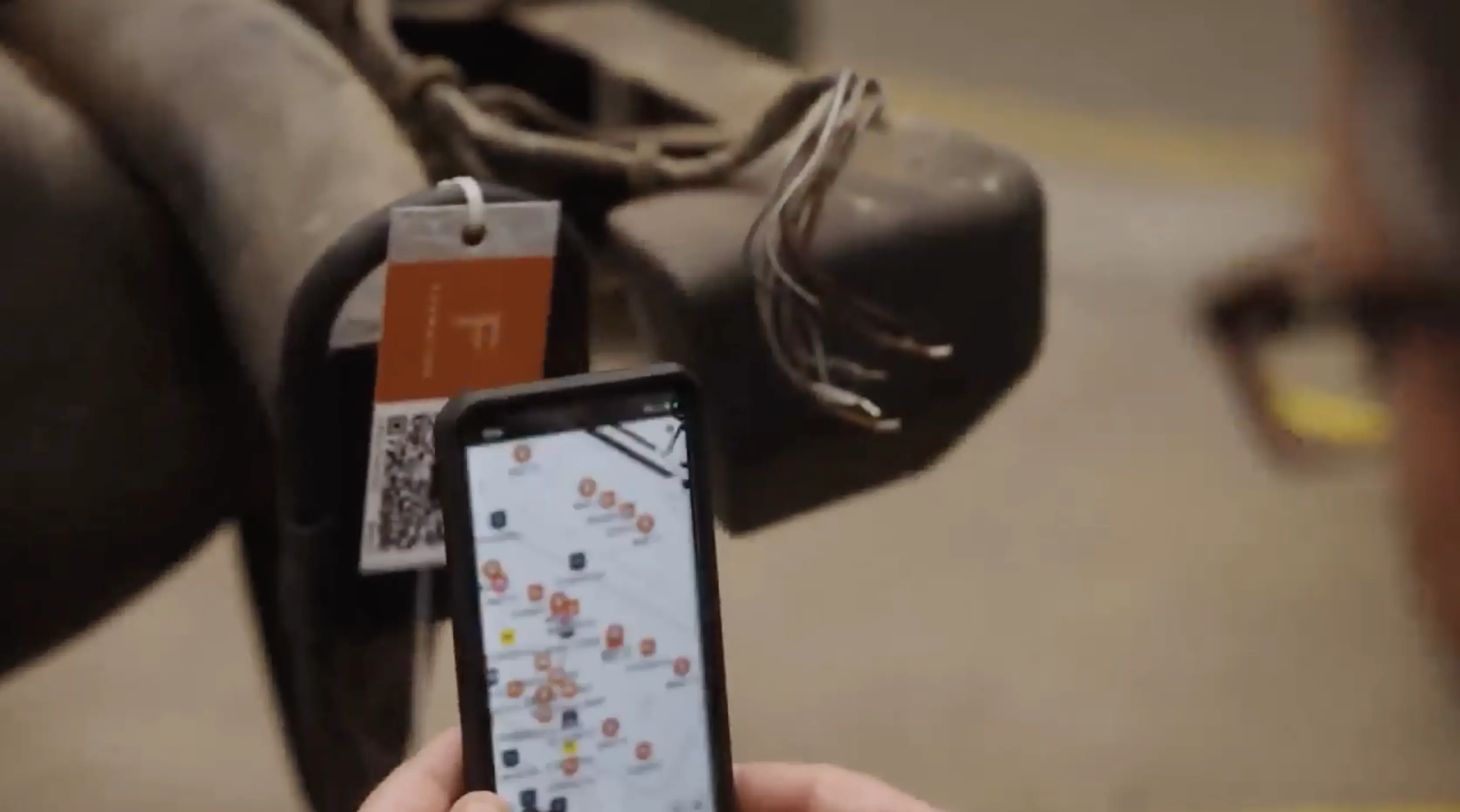
Start with QR Code Tracking, then add active RTLS
- Pilot quickly with QR Codes and a working Map.
- Add BLE, UWB, or GPS where real-time accuracy matters most.
- Expand by zone, site, or asset class with minimal risk.
What the opex model includes

Hardware, integration, and operational support
- Tracking infrastructure sized to your coverage and accuracy goals.
- Integrations with ERP, MES, and IoT brokers.
- Operational support for rollout, calibration, and evolution.